
Aloe Vera: The Skin-Soothing Plant With Real Wound-Healing Potential
Category: Aloe Vera Westcoast
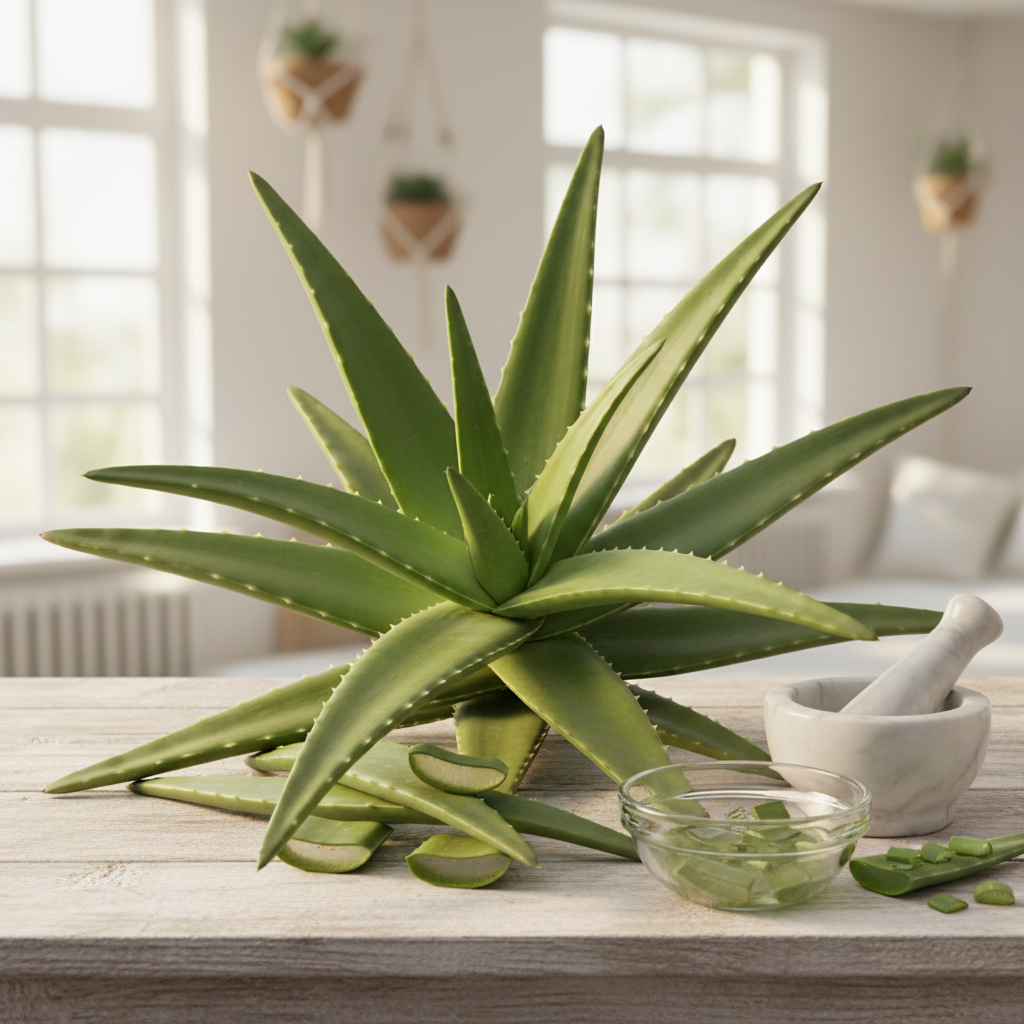
Aloe vera has earned its “miracle plant” reputation the old-fashioned way: it’s easy to grow, the gel feels instantly cooling, and it shows up in everything from after-sun lotions to sensitive-skin moisturisers. But aloe isn’t just a folk remedy—modern research suggests it may meaningfully support skin repair, especially for minor burns and superficial wounds. This incredible Aloe Vera Plant With Real Wound-Healing Potential has become a staple in wellness routines.
This article focuses on aloe vera’s most practical role in wellness routines—skincare—and the related health benefit with the strongest evidence: wound healing.
This article highlights the Aloe Vera Plant With Real Wound-Healing Potential and its most practical role in wellness routines—skincare—and the related health benefit with the strongest evidence: wound healing.
Practical Uses of Aloe Vera (Skincare Focus)
Aloe vera leaves contain two distinct substances:
- Clear inner gel (commonly used topically)
- Yellow latex (a laxative component that’s more likely to cause side effects and isn’t the goal for skincare)
Why aloe gel is a skincare staple
For health & wellness readers, aloe’s value is its combination of:
- Hydration (it’s water-rich and can feel lightweight)
- Soothing comfort for irritated skin
- A supportive environment for skin barrier recovery
Best everyday skincare uses
Aloe gel is most practical for:
- After-sun care (cooling sensation + hydration)
- Post-shaving or mild razor irritation
- Dry, tight patches (as a light layering gel under moisturizer)
- Minor kitchen burns (when the skin is intact or only mildly blistered)
How to use aloe gel effectively
- Choose a product where aloe is one of the first ingredients
- Avoid common irritants if you’re sensitive: fragrance, alcohol denat., strong essential oils
- Apply a thin layer to clean skin 1–3× daily, then seal with a bland moisturizer if dryness is an issue
Tip: If you’re using fresh aloe from a plant, rinse the gel well and avoid the yellow sap (latex) near the leaf rind.
Health Benefits of Aloe Vera (Wound Healing Focus)
“Wound healing” can sound clinical, but it includes everyday issues like minor burns, small abrasions, and irritated or inflamed skin that needs to calm down and rebuild.
What aloe may do during healing
Aloe gel contains bioactive compounds—especially polysaccharides (like acemannan)—that appear to support aspects of the healing process, including:
- Maintaining a moist wound environment, which can support faster re-epithelialization (skin resurfacing)
- Modulating inflammation, which may reduce excessive redness and discomfort
- Supporting signals involved in tissue repair
In wellness terms: aloe doesn’t just “cool”—it may help skin move from irritation → repair more efficiently.
What the Science Says (And What It Doesn’t)
Evidence for burns: promising, not perfect
One of the strongest clinical areas for topical aloe is second-degree burns. A 2024 systematic review and meta-analysis of randomized controlled trials reported that aloe vera reduced average wound-healing time by several days compared with other topical treatments in the included studies. This supports what many people notice anecdotally: aloe can help certain burns heal faster.
That said, the same analysis noted less consistent effects on pain reduction and infection risk, meaning aloe isn’t a stand-in for proper burn care, and results can vary depending on the burn depth, product quality, and how quickly it’s applied.
Why results vary across studies
Research quality differs because of:
- Different aloe preparations (fresh gel vs. stabilized gel vs. extracts)
- Variation in burn severity and treatment protocols
- Small sample sizes in older trials
In short: the best evidence is for healing time in specific burn scenarios, while broader skincare claims (anti-aging, acne “cure,” scar removal) are less consistently supported.
Safety Notes (Important for Wellness Readers)
Topical aloe is generally well tolerated, but keep these in mind:
- Do a patch test (inner forearm, 24 hours) if you have reactive skin
- Stop if you get burning, itching, or rash
- Seek medical care for:
- Large burns
- Burns on the face/hands/genitals
- Deep, blistering, or very painful burns
- Signs of infection (spreading redness, pus, fever)
Also, be cautious with oral aloe, especially products containing aloe latex—these can cause significant gastrointestinal side effects and have safety concerns.
Conclusion: A Smart, Evidence-Informed Place for Aloe in Your Routine
Aloe vera is more than a trendy “clean beauty” ingredient—its clearest, most evidence-backed niche is supporting skin recovery, particularly for minor burns and superficial wound healing. Used thoughtfully (and paired with good wound hygiene and sun protection), aloe gel can be a simple, affordable tool in a wellness-oriented skincare routine.
If you’d like, I can tailor a “best aloe gel checklist” for your skin type (oily, dry, sensitive, acne-prone) and suggest how to layer it with other common actives like niacinamide or retinoids.